Mind, body and spirit

Wellness

Practical, gentle guidance for flourishing at every age — from movement and rest to nutrition, medicine and the science of feeling well. Our Well-Being Series lives here.

Wellness

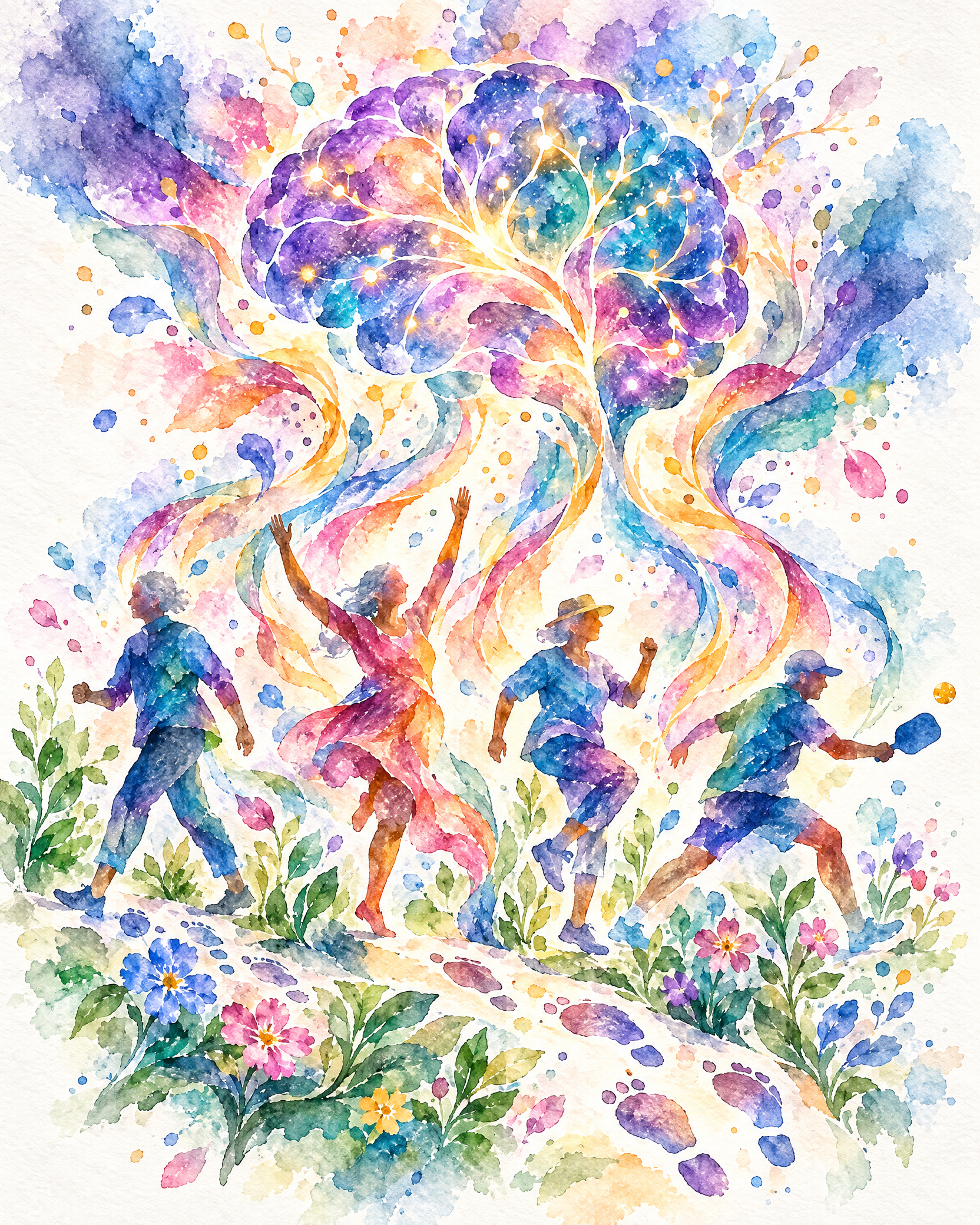
Move Your Body, Save Your Brain

Physical movement delivers oxygen and vital nutrients to the brain, protecting cognitive function and reducing Alzheimer's risk without requiring strenuous workouts or expensive equipment.

James Morris · page 8

Staying Connected

Wellness · Well-Being Series

The Science of Social Health

Scientific research shows that strong social connections enhance longevity, boost immunity, and protect mental sharpness, proving that meaningful relationships are vital medicine for seniors.

James Morris · page 12

Wellness · Well-Being Series

Making Your Home a Haven

Simple home safety modifications and fall prevention strategies can help older adults maintain their independence and keep their living spaces safe and cozy.

James Morris · page 12

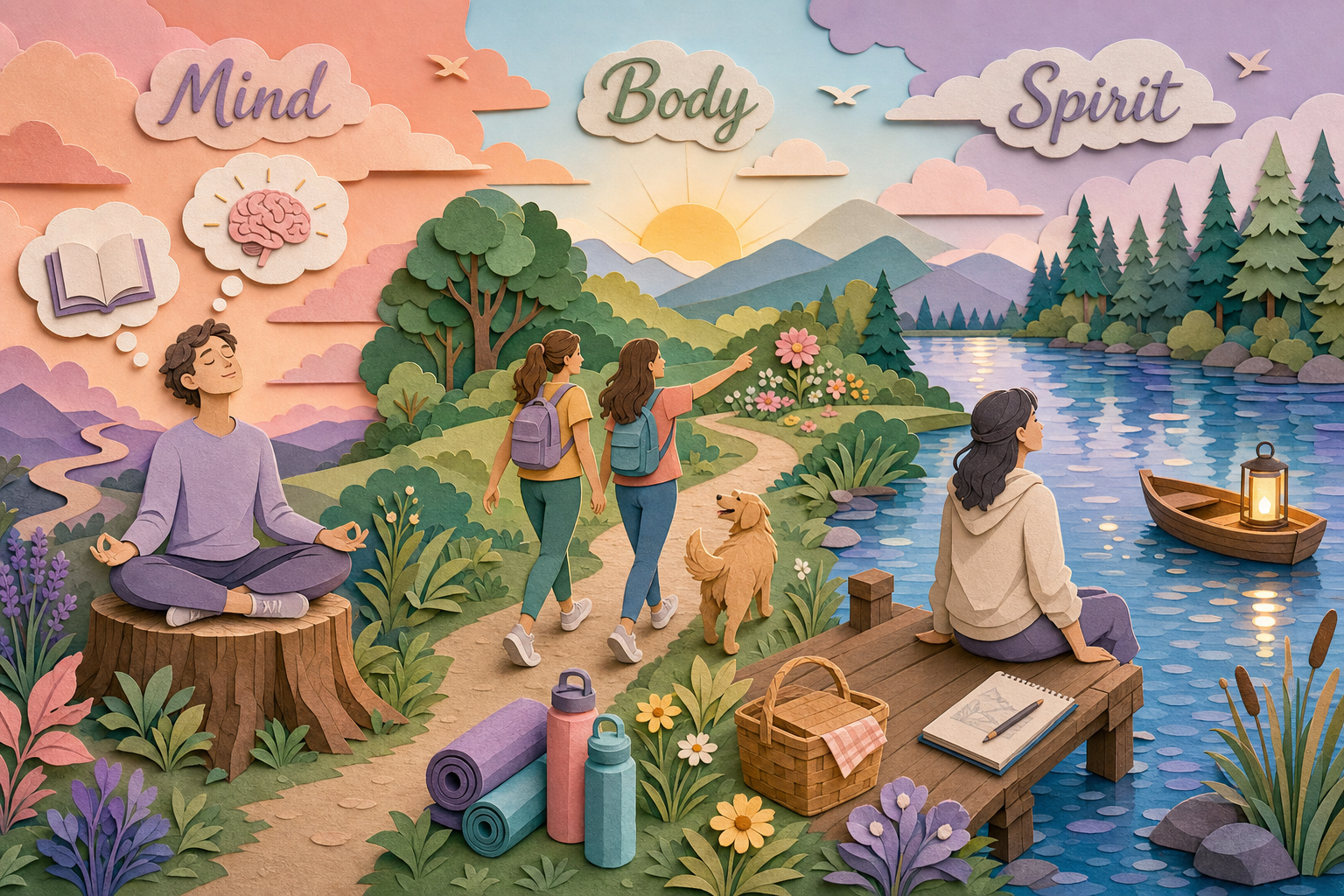
Mind, Body, and Spirit

Wellness · Well-Being Series

Gentle Routines That Restore Mind, Body, and Spirit

Simple, daily self-care habits can boost mental clarity, physical health, and emotional well-being, helping older adults flourish at every stage of life.

James Morris · page 15

Wellness · Well-Being Series

The Long Shadow of the Crab

A look through history reveals how humanity's understanding of cancer has evolved from ancient Egyptian medical papyri to modern gene editing and personalized immunotherapy.

James Morris · page 16

Wellness · Well-Being Series

More Than Memories: Living Well With Alzheimer's

An Alzheimer's diagnosis alters daily reality, but shifting focus from past recollections to present moments fosters deep emotional connection and quiet joy.

James Morris · page 20

Wellness · Well-Being Series

The Long Goodbye: Grieving Before the Loss

Navigating anticipatory grief during a loved one's progressive illness brings complex emotions, high vigilance, and guilt, requiring compassionate understanding of ambiguous loss.

James Morris · page 24