Move Your Body, Save Your Brain
The Surprising Secret to Dodging Alzheimer's Starts With Your Feet
Physical movement delivers oxygen and vital nutrients to the brain, protecting cognitive function and reducing Alzheimer's risk without requiring strenuous workouts or expensive equipment.
By James Morris · Nov/Dec 2026
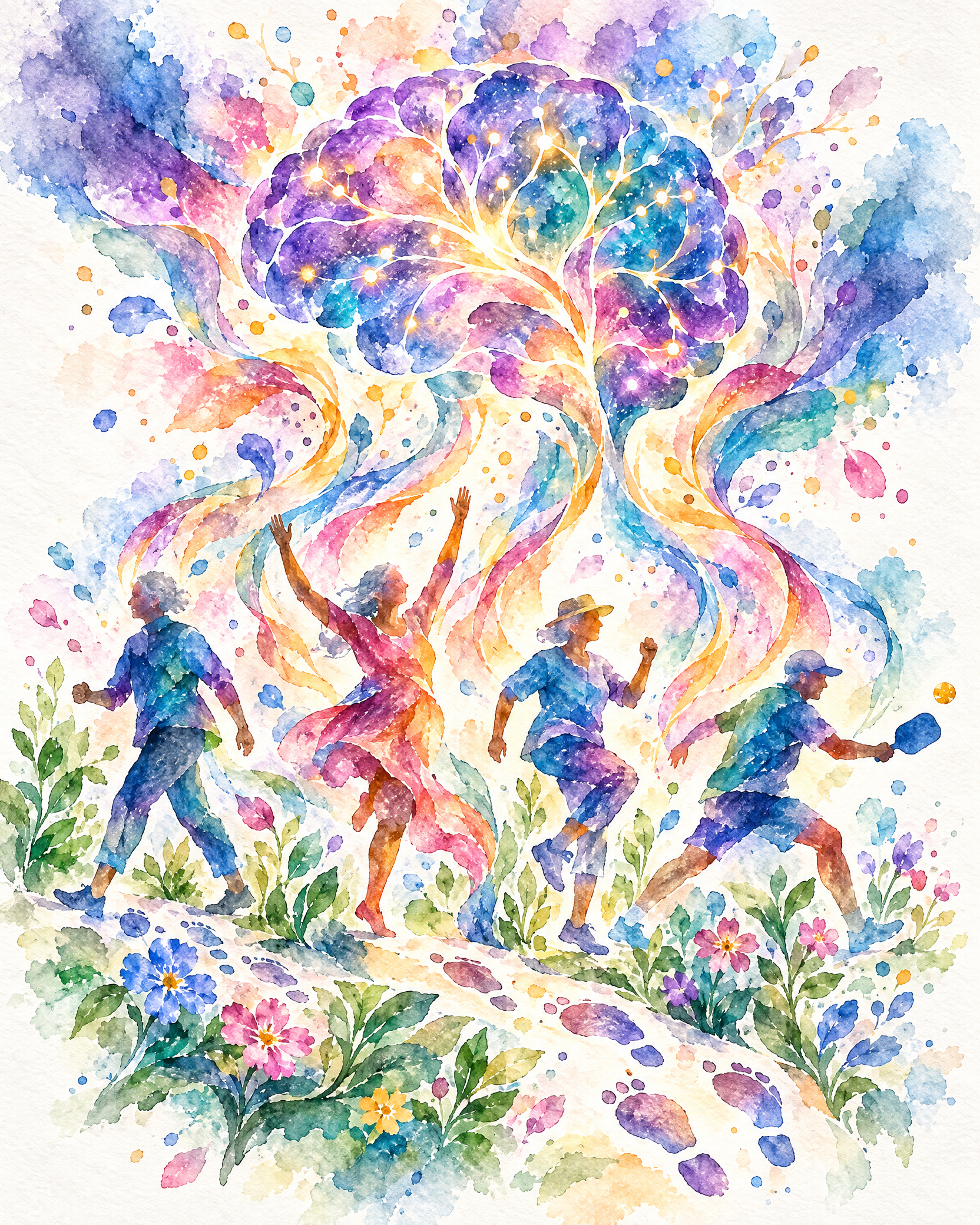
“Think of your brain like a high-maintenance houseplant. It only weighs about three pounds, but it hogs a huge chunk of your body's energy.”
Here's some good news that might surprise you: protecting your brain from Alzheimer's disease doesn't require brain-training apps, expensive supplements, or a diet that makes you miserable. It starts with something much simpler — moving your body.
Most of us exercise for pretty obvious reasons. We want stronger legs, better balance, a waistline that behaves, and a heart that can handle a couple flights of stairs without setting off alarm bells. We think of exercise as a tune-up for everything below the neck.
But here's the plot twist: while your muscles are doing the work, your brain is quietly cashing in on the benefits.
Your Brain Is Basically a Demanding Houseplant
Think of your brain like a high-maintenance houseplant. It only weighs about three pounds, but it hogs a huge chunk of your body's energy. And just like a finicky fern, it needs a constant supply of water, sunlight, and nutrients — except in brain terms, that means oxygen, glucose, and healthy blood flow.
Here's the problem: when you sit around for hours, that supply chain slows to a trickle. But when you get moving? Everything speeds up. Exercise opens up blood vessels in your brain, flushing out cellular junk and delivering fresh oxygen. Even better, physical activity releases special proteins — like BDNF — that actually help your brain grow new connections and protect the ones it already has.
And the research backs this up. People who stay physically active have bigger, healthier memory centers in their brains (especially in a region called the hippocampus) and much lower rates of memory loss and dementia as they age. In other words, a brisk walk doesn't just help your lungs — it helps preserve your mind.
Good News: "Exercise" Doesn't Mean What You Think It Means
Let's be honest — the word "exercise" can bring up some pretty intimidating images: grunting weightlifters, boot camps, and that fitness app you downloaded and ignored. If you've never been a gym person, starting a hardcore workout routine in your 50s, 60s, or beyond sounds about as fun as a root canal.
Here's the thing though: your brain does not care about your mile time. It doesn't care if you're wearing fancy workout gear or your lucky slippers. Your brain just wants movement — any movement. Gardening. Dancing in the kitchen to oldies. Pacing while you're on the phone. These aren't "fake" exercise; they deliver exactly the kind of stimulation your brain craves.
Every time you swap twenty minutes of sitting for moving around, you're sending a fresh rush of oxygen and nutrients to your brain cells. No gym membership required.
Consistency Beats Intensity — Every Time
Your brain isn't impressed by one heroic workout followed by three weeks of nothing. What it loves is rhythm — steady, regular movement woven into your everyday life. Try this:
- Pick activities you actually enjoy. If you hate running, don't run. Dance, garden, walk your dog — whatever gets you moving.
- Stack movement onto habits you already have. Step in place during phone calls. Pace while your coffee brews.
- Break up the stillness. If you're reading or binge-watching a show, stand up every hour and take a quick lap around the house.
- Sneak in strength. Take the stairs, carry the heavy groceries — your muscles will thank you without you ever "starting a program."
A daily walk with a friend beats an intense workout plan you quit after three weeks. You're not training for the Olympics — you're feeding your brain, one step at a time.
Local Tip: The Redmond Senior Center Has Your Back (and Your Brain)
Want an easy way to make movement a regular habit — plus some company while you do it? The Redmond Senior Center offers exercise classes that make staying active fun and social. Check out these options:
- Therapeutic Mobility — gentle movement to keep your joints happy and your body limber
- Groove and Move — get your heart pumping and have a blast doing it
- Line Dancing — your brain and your legs get a workout remembering the steps
- Pickleball — the wildly popular paddle sport that's equal parts competition and cardio
- Yoga for Bone and Joint Health — build balance, flexibility, and strength the gentle way
Remember: line dancing and pickleball aren't just fun — they're exactly the kind of regular, enjoyable movement that keeps blood flowing to your brain and helps lower your Alzheimer's risk.
You're in the Driver's Seat
Let's be real: aging and genetics are out of our hands, and no amount of exercise guarantees you'll never face Alzheimer's. But here's what's empowering — your daily choices genuinely shift the odds in your favor.
You don't need a dramatic life overhaul. You just need to stand up, take a walk, plant some flowers, or hit the dance floor at the Redmond Senior Center. Every single time you move, you're sending life-giving blood and oxygen to the neural networks that keep you sharp, independent, and you.
Your brain has been there for you your whole life. Give it what it needs — just get out of that chair and move.
Prefer the printed page? Flip through the Nov/Dec 2026 issue — this story starts on page 8.
Keep reading
Wellness · Well-Being Series
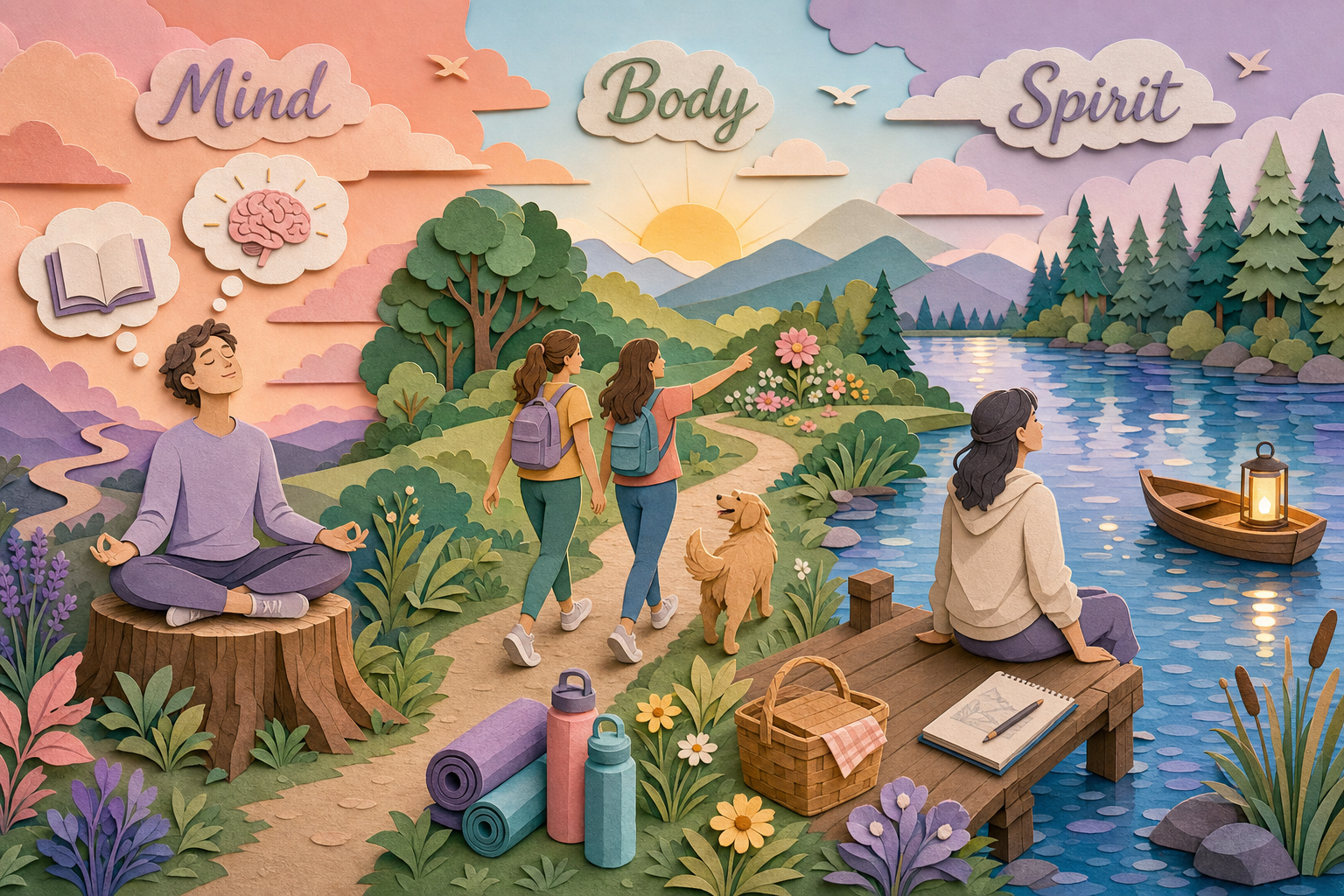
Gentle Routines That Restore Mind, Body, and Spirit
Simple, daily self-care habits can boost mental clarity, physical health, and emotional well-being, helping older adults flourish at every stage of life.
James Morris · page 15

Wellness · Well-Being Series
The Science of Social Health
Scientific research shows that strong social connections enhance longevity, boost immunity, and protect mental sharpness, proving that meaningful relationships are vital medicine for seniors.
James Morris · page 12

Creativity
Learning Something New to Stay Connected and Engaged
Taking up new hobbies, exploring digital tools, and joining group classes keeps brain health strong while fostering community and personal growth.
James Morris · page 26