
From the July/Aug 2026 issue — a back issue. Read the current issue or browse the archive.
The Science of Social Health
Why Connection Is Medicine
Scientific research shows that strong social connections enhance longevity, boost immunity, and protect mental sharpness, proving that meaningful relationships are vital medicine for seniors.
By James Morris · July/Aug 2026
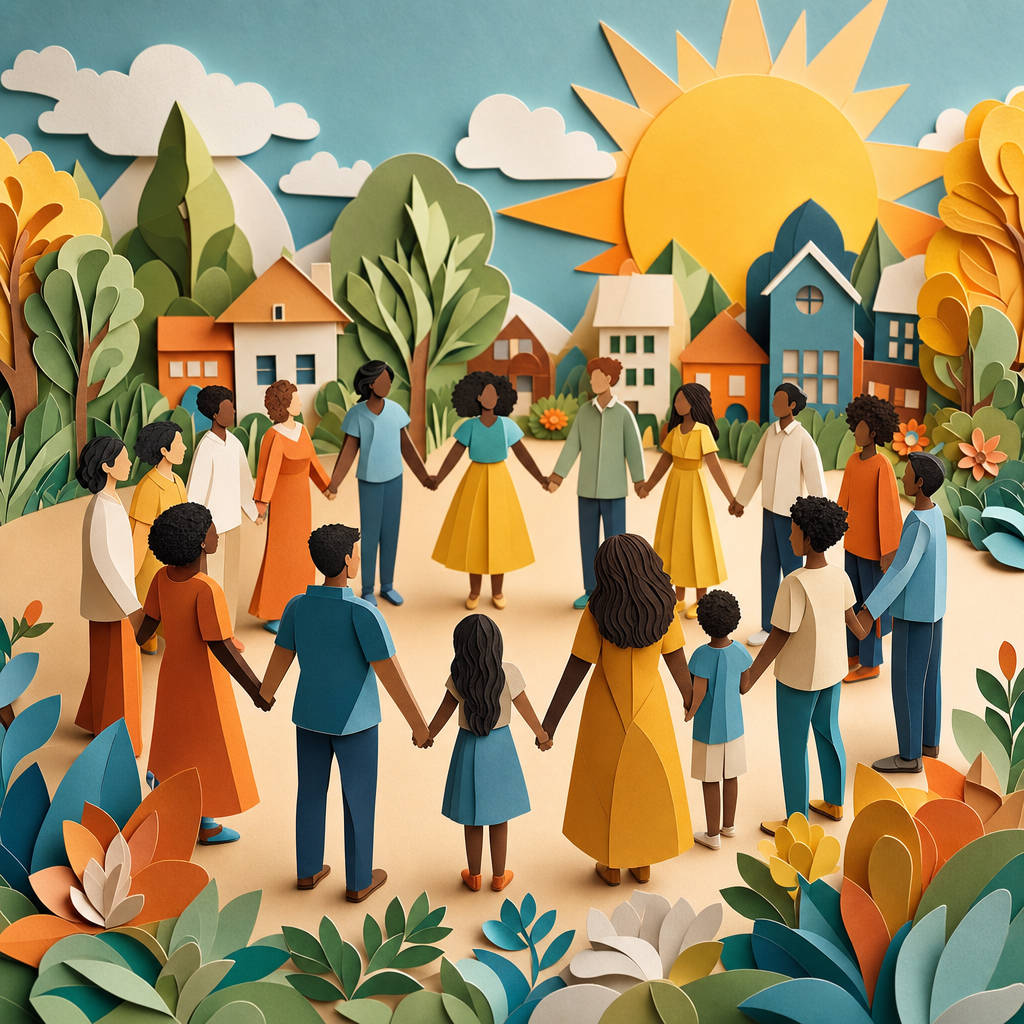
“"It’s never too late to invest in your social health."”
In a world that often feels busier and more digitally focused than ever, the importance of genuine human connection is becoming increasingly clear. For seniors, the value of social health—our ability to form and maintain meaningful relationships—cannot be overstated. In fact, science now tells us that connection is more than just a "nice-to-have." It's medicine, and it plays a vital role in our physical, mental, and emotional well-being. This article explores the fascinating science of social health, why it matters at any age (but especially in our later years), and how fostering connection can transform lives.
What Is Social Health?
Social health refers to our ability to interact, form relationships, and maintain healthy connections with others. While physical and mental health often take center stage, social health is just as important. It encompasses the quality of our relationships, the strength of our support networks, and our sense of belonging in a community.
The concept of social health is not new. Philosophers, psychologists, and sociologists have long recognized the central role of relationships in human well-being. However, only in recent decades has science truly begun to quantify and study its impact on health. The findings are profound: strong social ties can improve longevity, boost immunity, and even protect against chronic diseases.
The Science Behind Connection as Medicine
The connection between social relationships and health is not just anecdotal; it's rooted in biology. When we experience meaningful social interactions, our bodies release a cascade of beneficial chemicals, including oxytocin (the "bonding hormone") and endorphins (our body's natural painkillers). Here’s how social health influences your overall well-being:
1. Longevity and Life Expectancy
Studies have consistently shown that people with strong social networks live longer. A groundbreaking meta-analysis published in PLOS Medicine in 2010 found that people with solid social support had a 50% greater likelihood of survival over time, regardless of age. This effect was comparable to quitting smoking or maintaining a healthy weight. Why? Social connections reduce stress, encourage healthier behaviors, and provide emotional support during difficult times, all of which contribute to a longer, healthier life.
2. Mental Health Benefits
Isolation and loneliness are not just unpleasant; they are dangerous. Research links chronic loneliness to higher rates of depression, anxiety, and even cognitive decline. On the other hand, positive social interactions stimulate the brain, promote feelings of happiness, and keep our minds sharp. For seniors, staying socially engaged has been shown to lower the risk of developing Alzheimer’s disease and other forms of dementia. Conversations, shared laughter, and even small acts of kindness can help keep the mind active and resilient.
3. Physical Health Improvements
Did you know that being socially connected can lower your risk of heart disease? Studies have found that loneliness and social isolation are as harmful to heart health as high blood pressure or obesity. Being part of a supportive community can reduce inflammation, improve cardiovascular health, and even bolster the immune system. Additionally, social connections can help us adopt and stick to healthier habits. Whether it’s walking with a friend, attending a fitness class, or sharing healthy meals, having a partner in wellness makes all the difference.
The Risks of Social Isolation
While the benefits of connection are clear, the risks of isolation are equally stark. Social isolation affects millions of seniors worldwide, and its impact on health is severe. The U.S. Surgeon General has even declared loneliness a public health epidemic.
1. Health Risks of Loneliness
Chronic loneliness has been linked to a host of health issues, including:
- Increased risk of early death: Loneliness has been shown to increase mortality risk by 26%.
- Higher rates of chronic disease: Socially isolated individuals are more likely to develop conditions like diabetes, heart disease, and arthritis.
- Weakened immune system: The stress of loneliness can suppress immune function, making us more vulnerable to illness.
2. Mental Health Challenges
Loneliness is a major contributor to depression and anxiety. It also creates a vicious cycle where isolated individuals withdraw further, making it harder to reconnect with others. For seniors, this can be exacerbated by life changes like retirement, the loss of a spouse, or physical limitations.
3. The Cognitive Toll
Social isolation can accelerate cognitive decline. Without regular interaction, the brain receives less stimulation, and memory, problem-solving, and reasoning skills can deteriorate more quickly.
Building Social Health: Practical Tips for Seniors
The good news is that it’s never too late to improve your social health. Whether you’re naturally outgoing or a bit shy, there are countless ways to foster meaningful connections. Here are some practical tips to get started:
- Join a Group or Club: Find a group that aligns with your interests—whether it’s a book club, gardening group, or local walking club. Shared hobbies provide a natural way to bond with others.
- Volunteer Your Time: Volunteering not only gives back to your community but also creates opportunities to meet like-minded individuals. Whether you’re helping at a food bank, tutoring children, or working with animals, volunteering can be deeply fulfilling.
- Stay in Touch: Make an effort to stay connected with friends and family, even if they live far away. Phone calls, video chats, and letters can all help bridge the gap.
- Attend Social Events: Look for community events, senior center activities, or religious gatherings in your area. These are excellent opportunities to meet new people and build friendships.
- Adopt Technology: While technology can’t replace face-to-face interactions, it can help you stay connected when in-person meetings aren’t possible. Platforms like Zoom, FaceTime, and Facebook can keep you in touch with loved ones and expand your social circle.
- Consider a Pet: For some seniors, a pet can provide companionship and a sense of purpose. Walking a dog, for example, is also a great way to meet neighbors and other pet owners.
The Role of Communities in Social Health
While individual efforts are crucial, communities also play a vital role in fostering social connection. Community centers, libraries, and religious organizations can provide seniors with opportunities to meet others, learn new skills, and stay active.
Governments and healthcare systems are also beginning to recognize the importance of social health. In the UK, for example, doctors have started "social prescribing," where patients are encouraged to join social groups or engage in community activities to improve their overall well-being.
Connection Transforms Lives
The science of social health is clear: connection is medicine. It heals, strengthens, and sustains us in ways that go far beyond what we might expect. For seniors, maintaining strong social ties can mean the difference between thriving and merely surviving.
The key takeaway? It’s never too late to invest in your social health. Whether it’s rekindling old friendships, joining a new club, or simply saying hello to a neighbor, small steps can lead to big changes.
In the words of poet John Donne, "No man is an island." We are meant to connect, to share, and to support one another. So, as you go about your day, consider how you can nurture your social health. After all, it’s not just good for the soul—it’s good for the body and mind, too. Together, we can build a world where connection is celebrated, and everyone has the opportunity to flourish.
Prefer the printed page? Flip through the July/Aug 2026 issue — this story starts on page 12.
Keep reading

Wellness · Well-Being Series
Gentle Routines That Restore Mind, Body, and Spirit
Simple, daily self-care habits can boost mental clarity, physical health, and emotional well-being, helping older adults flourish at every stage of life.
James Morris · page 15
Creativity
Learning Something New to Stay Connected and Engaged
Taking up new hobbies, exploring digital tools, and joining group classes keeps brain health strong while fostering community and personal growth.
James Morris · page 26
Life & Purpose
Decluttering for Peace of Mind and Emotional Clarity
Organizing and simplifying your living space can reduce stress, bring mental clarity, and transform your home into a calm sanctuary for everyday living.
James Morris · page 22