
From the July/Aug 2026 issue — a back issue. Read the current issue or browse the archive.
Learning Something New to Stay Connected and Engaged
Taking up new hobbies, exploring digital tools, and joining group classes keeps brain health strong while fostering community and personal growth.
By James Morris · July/Aug 2026
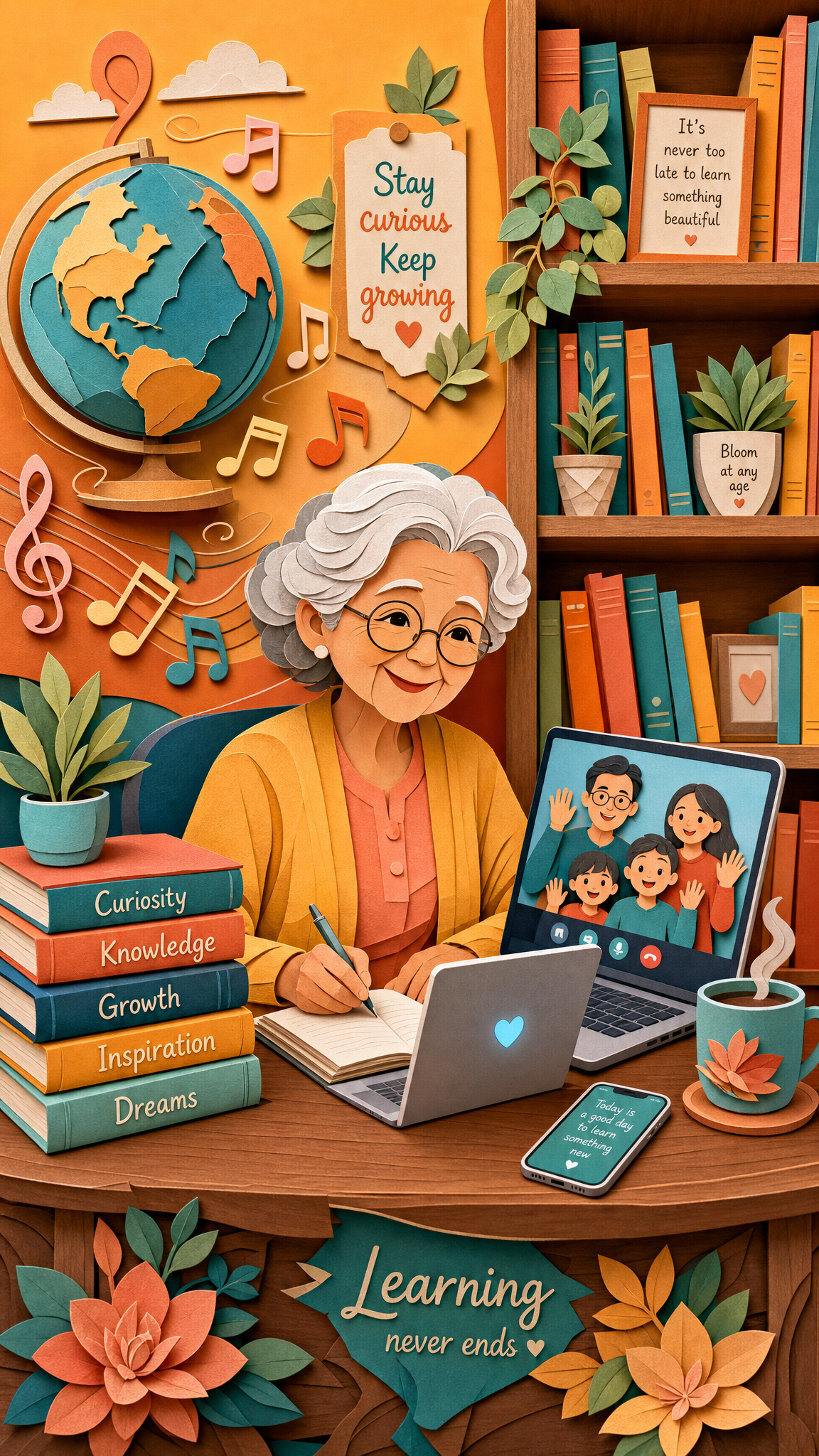
“"One of the best ways to stay connected is by learning with others."”
The world is an ever-changing place, full of new apps, gadgets, trends, and even slang that can leave many of us scratching our heads. But don’t fret! Staying connected and engaged doesn’t mean you have to be a technology wizard or memorize every new TikTok dance (though, if you do, we’re impressed!). It’s about learning new skills, embracing challenges, and keeping your mind sharp while having a little fun along the way.
In this article, we’ll explore why learning something new—whether it’s picking up a hobby, mastering a new device, or decoding the mystery of emojis—is one of the best ways to stay connected, engaged, and, dare we say, hip. So grab your coffee, tea, or favorite snack, and let’s dive into the joy of lifelong learning.
The Science of Staying Sharp
Before we get into the fun stuff, let’s start with the “why.” Why is learning something new so important as we grow older? It turns out that our brains are a lot like muscles. When we challenge them with new activities, they stay strong. Studies show that learning new skills can actually improve brain health, enhance memory, and even reduce the risk of cognitive decline. Think of it as a workout for your mind—just without the sweaty gym clothes.
When you learn something new, you create fresh neural pathways. These are like tiny, invisible highways in your brain. The more highways you build, the easier it becomes to adapt to changes and keep up with the times. Plus, the sense of accomplishment you feel when you master something new? That’s a great mood booster.
Staying Connected: The Digital Frontier
Let’s face it—technology is here to stay. While it might seem overwhelming at first, embracing a bit of tech can lead to amazing opportunities to stay connected with family, friends, and even the wider world.
Take video calls, for example. Platforms like Zoom, FaceTime, and Google Meet have transformed the way we communicate. If you’ve ever waved hello to a grandchild through a computer screen or attended a virtual book club with friends, you’re already on the cutting edge!
But why stop there? Here are a few easy and fun ways to explore technology:
- Text Like a Pro: Do you know the difference between “LOL” (laugh out loud) and “BRB” (be right back)? If not, it’s worth learning the lingo. Ask a younger family member to teach you some texting shorthand, or look up a guide online. Who knows—you might surprise someone with a perfectly placed “OMG!”
- Try a Smartphone App: There’s an app for everything these days, from learning new languages (Duolingo) to solving puzzles (Wordle). Apps can make learning fun and interactive, and many are designed to be user-friendly.
- Join Social Media: Platforms like Facebook and Instagram are great for staying connected with loved ones. You can share photos, comment on posts, and even join groups for hobbies you enjoy, like gardening or knitting. Don’t worry—there’s no pressure to post selfies unless you want to!
Hobbies That Keep You Engaged
Learning something new doesn’t have to involve screens or gadgets. Sometimes, the best way to stay engaged is by diving into a hobby that sparks your interest. Here are a few ideas to get you started:
- Learn to Cook (or Bake) Something New: Ever tried to make homemade pasta? How about baking a French baguette? Cooking is a creative and rewarding activity, and there’s always something new to learn in the kitchen.
- Pick Up a Musical Instrument: Dust off that old guitar in the closet or try your hand at the piano. Many instruments have free tutorials online, and playing music is a great way to relax and express yourself.
- Explore Creative Writing: Whether it’s writing a short story, poetry, or even a witty letter to the editor, creative writing can be a wonderful outlet. Plus, it’s a great way to share your thoughts and humor with others (hint, hint: Senior Moments is always open to submissions!).
- Gardening: There’s something magical about planting a seed and watching it grow. Gardening is not only a relaxing pastime, but it also gets you outdoors and provides fresh air. Bonus points if you grow your own veggies!
The Joy of Group Learning
One of the best ways to stay connected is by learning with others. The camaraderie of a group setting adds an extra layer of fun and motivation.
- Community Classes: Check out local offerings, such as art workshops, fitness classes, or book clubs. Many senior centers (including ours here in Redmond!) offer affordable or free options that cater to a variety of interests.
- Online Courses: Websites like Coursera or Udemy offer courses on everything from photography to history. You can even take a class on astrophysics if you’ve ever wondered about the mysteries of the universe.
- Clubs and Meetups: Whether it’s a knitting circle, a hiking group, or a movie discussion club, joining a group is a fantastic way to meet people and stay active.
Overcoming the Fear of the New
Let’s be honest: trying something new can be a little intimidating. What if you mess up? What if you’re no good at it? What if you look silly? Here’s the truth: nobody becomes an expert overnight. The joy of learning isn’t about being perfect; it’s about the experience. Mistakes are part of the process, and sometimes they even lead to the best laughs.
Remember the first time you tried to ride a bike? It probably didn’t go smoothly, but you kept at it, and eventually, you succeeded. The same principle applies to learning at any age. Be patient with yourself, and don’t be afraid to ask for help.
If you need extra motivation, think of the stories you’ll have to share. Imagine telling your grandkids how you tried yoga for the first time or how you mastered the art of making sourdough bread. Who knows? You might even inspire them to try something new, too.
A Final Word: It’s Never Too Late
One of the most beautiful things about lifelong learning is that it truly is lifelong. It doesn’t matter if you’re 55, 75, or 95—there’s always something new to discover.
So, what will you try next? Maybe it’s learning how to use a new app, or perhaps you’ll finally sign up for that watercolor painting class you’ve been eyeing. Whatever it is, approach it with curiosity, enthusiasm, and a sense of humor.
And remember, in the words of the famous inventor Thomas Edison: “I have not failed. I’ve just found 10,000 ways that won’t work.”
Here’s to trying, learning, and growing—one new adventure at a time.
Prefer the printed page? Flip through the July/Aug 2026 issue — this story starts on page 26.
Keep reading
Wellness · Well-Being Series
Gentle Routines That Restore Mind, Body, and Spirit
Simple, daily self-care habits can boost mental clarity, physical health, and emotional well-being, helping older adults flourish at every stage of life.
James Morris · page 15
Wellness · Well-Being Series
The Science of Social Health
Scientific research shows that strong social connections enhance longevity, boost immunity, and protect mental sharpness, proving that meaningful relationships are vital medicine for seniors.
James Morris · page 12
Life & Purpose
Decluttering for Peace of Mind and Emotional Clarity
Organizing and simplifying your living space can reduce stress, bring mental clarity, and transform your home into a calm sanctuary for everyday living.
James Morris · page 22