Your Brain on 'Aha!'
Lifelong Learning is the Secret to Staying Sharp (and Fun) at Any Age
Discover how continuous learning and neuroplasticity keep your brain sharp, build cognitive reserve, and bring vitality to life at any age.
By James Morris · Sept/Oct 2026
“"There’s something magical about learning something new."”
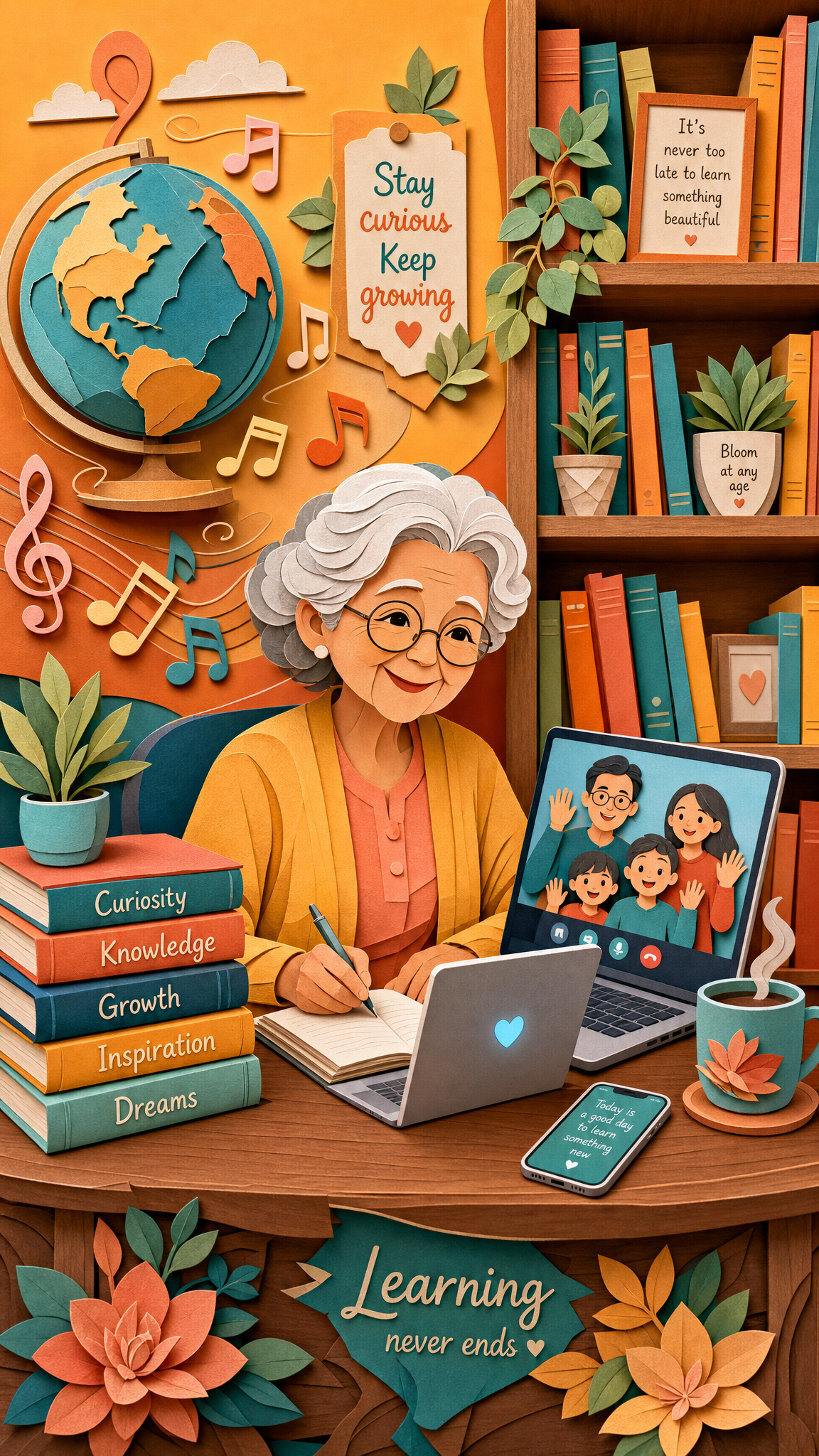
Picture this: the smell of coffee wafting through a cozy room filled with a dozen adults, notebooks in hand, pencils at the ready. But this isn’t your typical college lecture hall. Nope, it’s a community center class on a random Tuesday morning.
Enter Martha, age seventy-two, who’s leaning forward like a kid in the front row of a magic show. This week, she’s mastering digital photography. Last month, it was sketching landscapes. Next month? Who knows—local history, maybe?
Martha’s onto something big: she’s cracked the code for keeping her mind sharp and her spirit vibrant. Spoiler alert: it’s called lifelong learning.
Now, I know what you’re thinking: “You can’t teach an old dog new tricks.” Well, guess what? That saying is as outdated as flip phones and dial-up internet. Science says our brains are far more remarkable than we give them credit for. They’ve got this amazing ability called neuroplasticity, which is basically a fancy word for “your brain can still learn cool stuff no matter how many candles are on your birthday cake.”
Your Brain: The Gym Membership You Should Actually Use
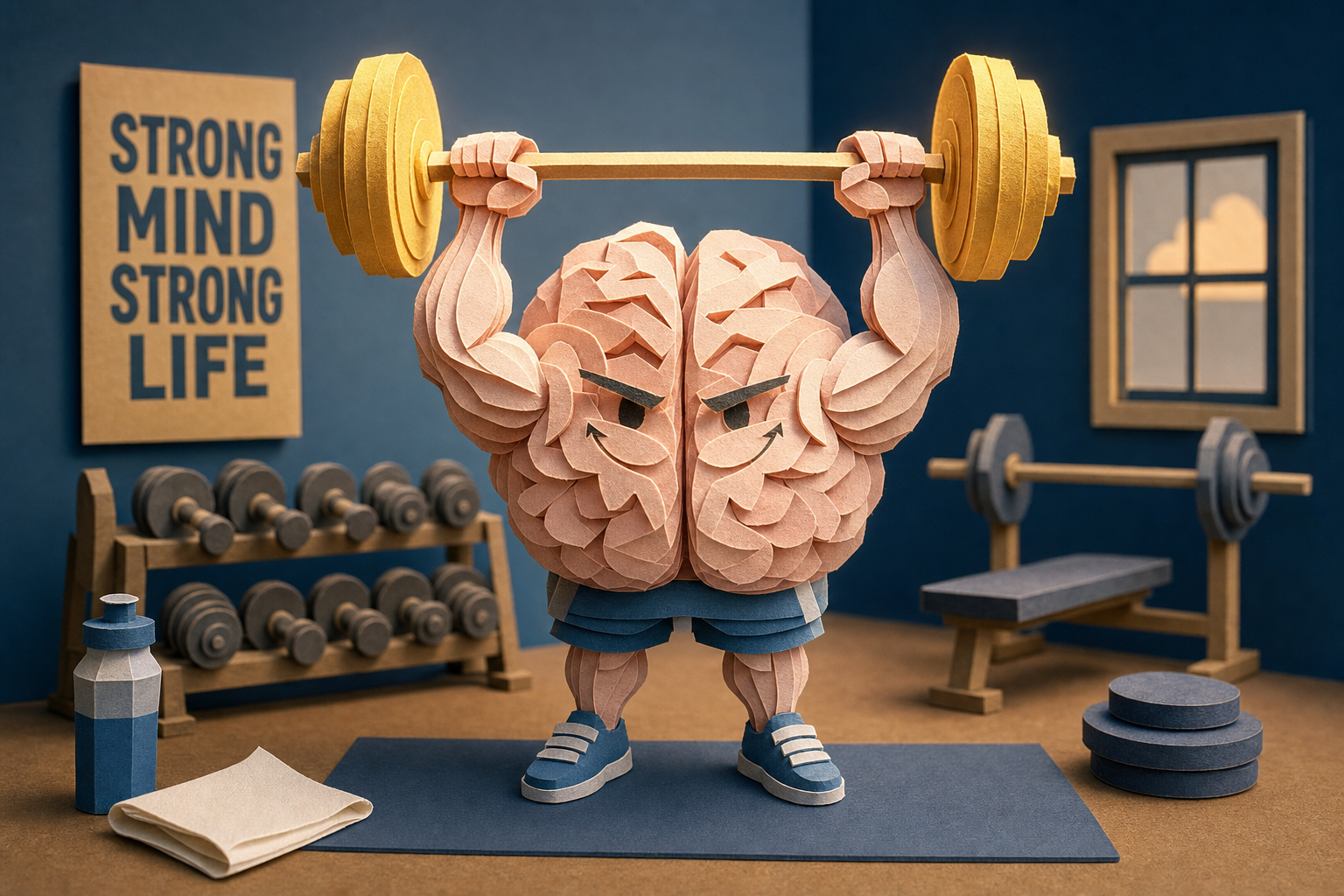
Think of your brain like a muscle. (A very VIP, high-maintenance kind of muscle.) If you don’t use it, it gets sluggish—kind of like that treadmill you swore you’d use after New Year’s.
But when you challenge your brain with new skills or even mildly tricky stuff—like learning to play the ukulele or debating whether pineapple belongs on pizza—it lights up like a Christmas tree. Every time you learn something new, your brain is building and strengthening neural pathways, kind of like constructing a superhighway of smarts.
And here’s the best part: all this mental heavy lifting builds up your “cognitive reserves.” Think of it as a protective shield for your brain. The thicker your shield, the better you’re able to fend off conditions like dementia or brain injuries. Basically, lifelong learning is like a superhero cape for your gray matter. (Cue dramatic music.)
Oh, and it’s not just about the stuff you learn—it’s the whole experience. The concentration, the problem-solving, the interaction with others—it’s all part of the brain-boosting package. So, go ahead and sign up for that pottery class or join that book club. Your future self will thank you.
Curiosity Isn’t Just for Cats
Here’s the cool thing: lifelong learning doesn’t mean you have to go back to school or sit in a boring classroom. (Unless you’re into that. No judgment.) It’s more about staying curious and open to new experiences.
Always wanted to learn guitar? Go for it. Have a random fascination with Aztec history? Fire up that documentary on Netflix. Maybe you’ve got an old passion—like gardening or painting—that you haven’t touched in years. Dust it off and dive back in.
And let’s not forget one of the most underrated skills in today’s world: figuring out what’s true and what’s…not. (Looking at you, internet conspiracy theories.) Critical thinking—asking questions, analyzing viewpoints, and digging deeper—is like CrossFit for your brain. Plus, it’s pretty satisfying to call out fake news at the next family dinner.
The Thrill of the “Aha!” Moment
There’s something magical about learning something new. That moment when the lightbulb goes off and you think, “Ohhh, I get it now!” feels like winning a mini lottery. It’s not just good for your brain—it’s good for your soul. It reminds you that you’re capable, adaptable, and full of untapped potential.
Henry Ford once said, “Anyone who stops learning is old, whether at twenty or eighty. Anyone who keeps learning stays young.” And honestly? He nailed it.
Lifelong learning isn’t about numbers on a calendar—it’s about staying curious, excited, and connected to the world around you. When you’re learning something new, you’re looking forward. You’re anticipating the next step, the next discovery. That forward-thinking mindset is the ultimate antidote to feeling stuck or stagnant. It keeps you energized and engaged with life, no matter your age.
Ready to Dive In?
Getting started is easier than you think. Here are a few ideas to get those mental gears turning:
- Try a new hobby or rediscover an old one. Dust off that guitar, grab some watercolors, or attempt that sourdough recipe you bookmarked during the pandemic.
- Fill in the gaps. Always wondered how the stock market works? Curious about astronomy? Thanks to the internet (and, let’s be real, YouTube), there’s a tutorial for just about everything.
- Be a smart skeptic. When you read or hear something, ask yourself: “What’s the source? Is it legit? Are there other perspectives?” Your brain will thank you for the exercise.
At the end of the day, lifelong learning isn’t just about keeping your brain sharp. It’s about living fully, connecting with others, and embracing the endless possibilities of a curious mind. As Gandhi said, “Live as if you were to die tomorrow. Learn as if you were to live forever.”
So go ahead—sign up for that class, crack open that book, or try something totally new. Your brain (and your inner Martha) will thank you. And who knows? You might just discover your next great passion.
Final Thoughts
Lifelong learning isn’t just a trend—it’s a way of life. And the best part? It’s never too late to start. Whether you’re seventy-two like Martha or twenty-two like… well, not Martha, there’s always something new to explore.
So, grab your notebook, your curiosity, and maybe a cup of coffee, and get ready for your next adventure. Your brain deserves it.
Prefer the printed page? Flip through the Sept/Oct 2026 issue — this story starts on page 24.
Keep reading
Wellness · Well-Being Series
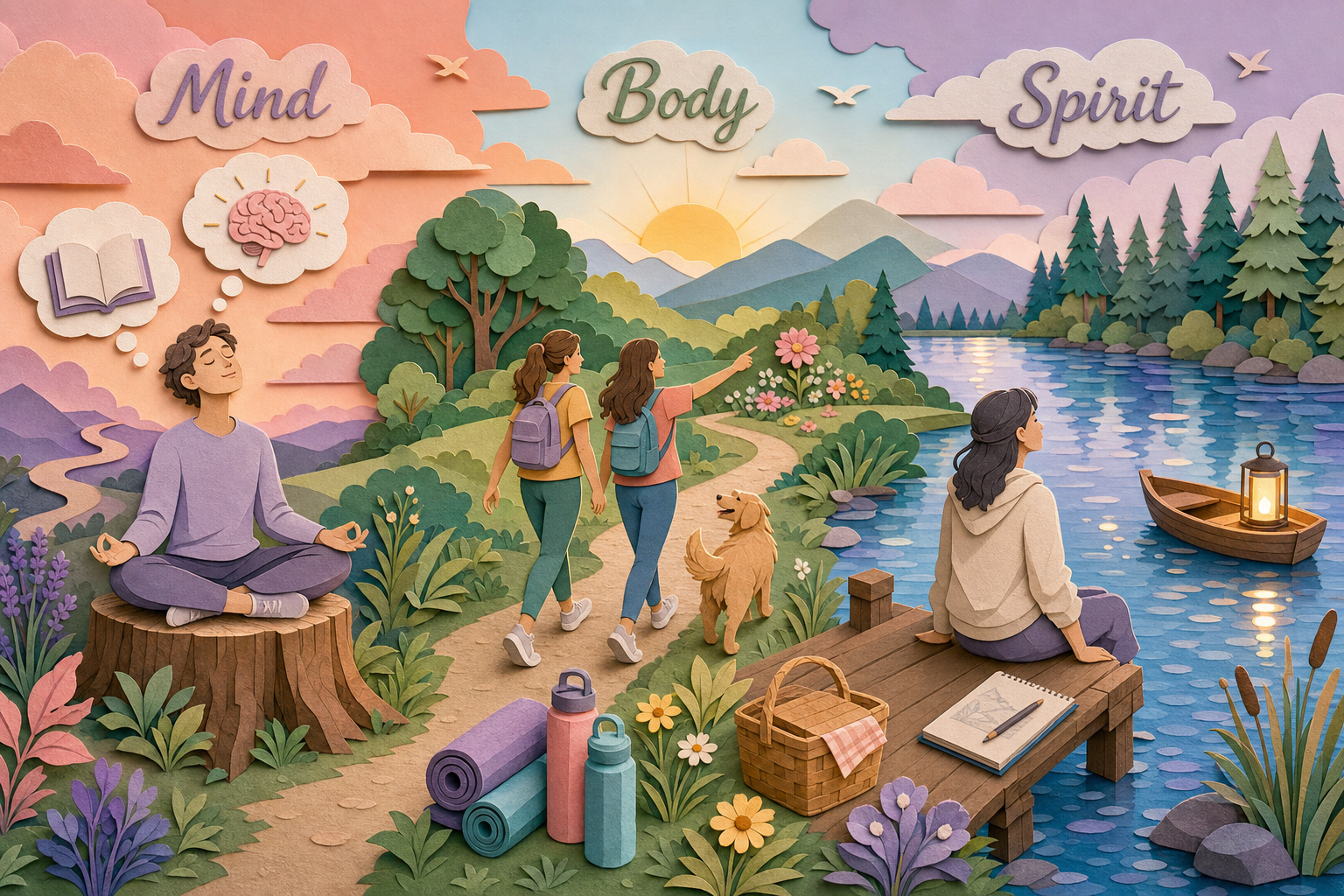
Gentle Routines That Restore Mind, Body, and Spirit
Simple, daily self-care habits can boost mental clarity, physical health, and emotional well-being, helping older adults flourish at every stage of life.
James Morris · page 15
Wellness · Well-Being Series
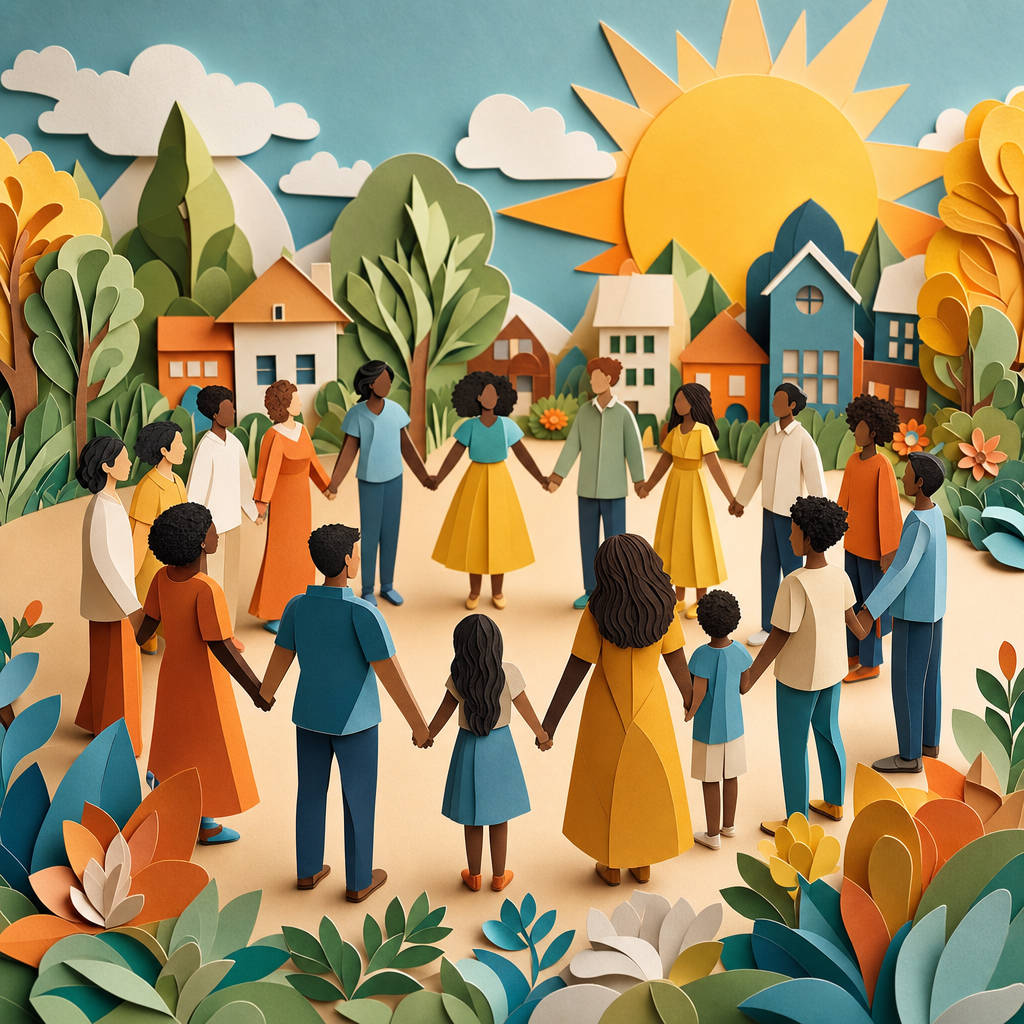
The Science of Social Health
Scientific research shows that strong social connections enhance longevity, boost immunity, and protect mental sharpness, proving that meaningful relationships are vital medicine for seniors.
James Morris · page 12
Creativity
Learning Something New to Stay Connected and Engaged
Taking up new hobbies, exploring digital tools, and joining group classes keeps brain health strong while fostering community and personal growth.
James Morris · page 26